



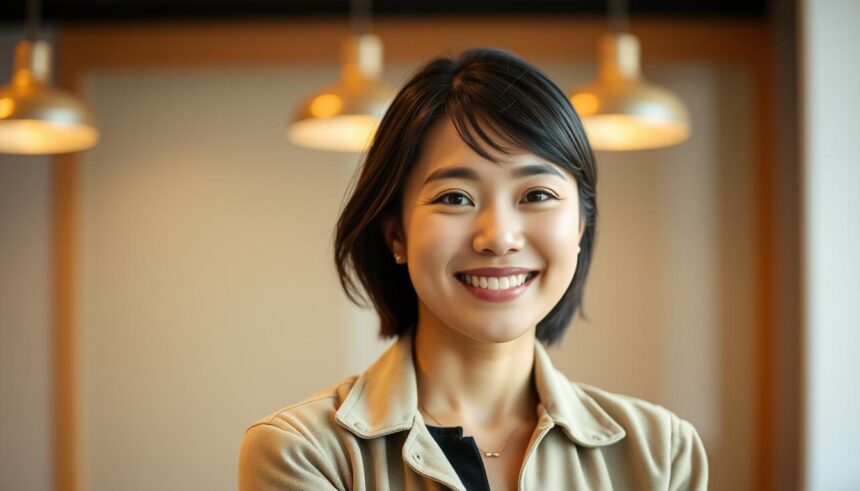
Meet the entrepreneur behind a modern womenswear brand that began as a 2005 blog shop and grew into a global e‑commerce success. The story centers on practical, Asian‑fit fashion designed for real life.
The journey highlights how data‑driven design and everyday testing helped the brand scale across markets in Asia and beyond. By 2024, estimated net worth and smart funding moves underscored steady success.
U.S. shoppers will find the profile useful because it connects a founder’s risks and choices to the clothes you can wear to work and weekends. The purpose was always more than style: it focused on confidence, fit, and community.
This preview sets up a closer look at background, pivotal decisions, and how targeted design made the label relevant to Asian women and women around the world.
Key Takeaways
- Started as a 2005 blog shop and grew into a global e‑commerce brand.
- Built on Asian fit, data, and real‑life wearability.
- Scaled into multiple markets with smart funding and steady growth.
- Focused on empowering women with functional, timeless pieces.
- Offers useful fit insights for first‑time U.S. shoppers.
- Profile ties entrepreneur choices to practical fashion outcomes.
Rachel Lim – Co-founder – Love Bonito: who she is and why her story matters
A Singapore-born entrepreneur reshaped how Asian women find everyday clothes that fit and feel modern.
A Singapore-born entrepreneur shaping fashion and e-commerce for Asian women
Born in 1987, she was 37 in 2024. She moved from a 2005 blog shop to a 2010 launch that focused on fit and wearability. Her work put Asian proportions and practical design at the center of a growing company.
Quick profile: age, role, markets, and estimated net worth
She studied at Nanyang Technological University on a government scholarship before leaving to build the business. By 2024, her estimated net worth was about US$5 million.
| Detail | Info | Notes |
|---|---|---|
| Birth year | 1987 | Age 37 in 2024 |
| Start | 2005 blog shop | Launched main brand in 2010 |
| Markets | Singapore, Malaysia, Indonesia, Philippines, Greater China, U.S., Australia, UAE | Cross-border reach |
| Recognition | Forbes Asia 30 Under 30 (2016), Tatler Asia | Media and industry leaders highlighted her work |
A friendly introduction for U.S. readers discovering the Love, Bonito brand
For U.S. shoppers, the appeal is simple: minimalist silhouettes, careful fit, and a focus on everyday life. The approach blends entrepreneurship and design in a way that translates across climates and commutes.
From blog shop to global brand: the journey, risks, and growth
What began with friends selling pre-loved pieces online quickly became a lessons-driven business. In 2005 the blog shop BonitoChico proved there was a gap in the market for better-fitting pieces for Asian women. The team moved from resale to original design to answer that need.
Early risks and the big leap
One founder left university and a government scholarship, borrowing her mother’s five-figure savings to launch the brand in 2010. That high-stakes move funded initial production and pattern testing.
Scaling and recognition
The team refined Asian fit, grew omni-channel stores, and expanded into Southeast Asia, Greater China, the U.S., Australia, and the UAE. A US$50M Series C in 2021 accelerated international e-commerce and operations.
“A customer email told us our clothes helped someone feel like herself again after surgery.”
Media nods like Forbes Asia 30 Under 30 underscored the brand’s success and the long days of entrepreneurship behind that growth.
Purpose-driven fashion: empowerment, data, and a ready-to-live ethos
The brand built a clear purpose: make clothes that help women move through work and life with ease. Designs focus on comfort, fit, and small details that matter in real days.
Designing for confidence
Flattering cuts and practical details—like pockets and considered necklines—help pieces transition from commute to after-work plans. That ready-to-live approach keeps outfits useful and timeless.
Customer data and fit testing
The design team tested garments on asian women and tracked over 100 attributes for years. This data-driven cycle improved fit, reduced returns, and raised the consistency of clothing across collections.
Sustainability in practice
Signatures, staples, and capsules cut total styles by about 60%, simplifying choices and lowering the brand’s footprint. Fewer, better pieces extend wardrobe life and reduce waste.
Content, community, and wellness
Content like RachReflects and the “Who We Are” podcast created space for women to discuss leadership, rest, and balance. Small groups and email touchpoints built community and measurable impact.
“The goal was never just fashion — it was empowerment through practical design.”
- Purpose: clothes that boost confidence and support movement.
- Impact: better fit, less churn, and stronger engagement with people who wear the brand.
Conclusion
strong, The arc of rachel lim as a co-founder and entrepreneur shows how clear choices make a small business become a global brand. Starting from 2005 and formalized in 2010, the team grew with smart funding, including a 2021 Series C, and steady audience work.
The result was clothing and clothes that help women in daily life. Leaders who listen to people, blend data with purpose, and focus on fit and content can build lasting value. This business balanced craft and community to support real days and real needs.
Takeaway: when care and clarity meet real-world needs, success compounds—for the brand, for the people it serves, and for the women who wear the pieces with confidence in their work and life.
FAQ
Who is Rachel Lim and why does her story matter?
Rachel Lim is a Singapore-born entrepreneur who helped build a major Asian fashion label focused on designing clothes that fit and empower women. Her story matters because it shows how purpose-driven design, strong customer insight, and e-commerce can scale a regional brand into global markets while championing representation for Asian women in fashion.
What did she do before launching the brand?
Before the brand took off, she experimented with a blogshop and pre-loved clothing sales alongside friends. These early ventures revealed gaps in the market for well-fitting, stylish pieces for Asian bodies and sparked the pivot to a dedicated fashion label and product-first approach.
Did she face major risks early on?
Yes. She made big personal and financial sacrifices, including leaving university and using family savings to fund the business. Those high-stakes choices helped jumpstart operations, product development, and the initial customer base.
When did the company launch and what was the focus?
The label launched in 2010 with a focus on flattering cuts and practical wardrobe staples designed specifically for Asian figures. Early collections emphasized fit, versatility, and accessible price points that resonated with working women.
How did the brand scale internationally?
Growth combined strong e-commerce fundamentals, regional retail expansion, and localized merchandising. The team expanded across Southeast Asia and later entered markets such as the U.S., Australia, UAE, and Greater China through a mix of online channels and physical stores.
Has the company raised external funding?
Yes. The business secured multiple funding rounds, including a significant Series C in 2021 that raised around US million to accelerate international expansion and platform capabilities.
What recognition has the founder and brand received?
The founder and the company have earned spots on industry lists and media coverage, including Forbes 30 Under 30 and regional publications that highlight influential entrepreneurs. These recognitions reflect business growth and cultural impact.
How does the brand design clothes to build customer confidence?
The design philosophy centers on flattering silhouettes, practical details like pockets, and timeless feminine pieces that work across occasions. Collections aim to deliver garments that make customers feel confident and ready for daily life.
How does the company use customer data to improve fit?
The team tracks extensive fit and preference data — dozens of attributes per customer — and runs fit testing to refine patterns. This data-driven approach helps ensure each piece suits targeted body shapes and reduces returns.
What sustainability practices does the label follow?
Sustainability efforts focus on reducing overproduction through signature staples, capsule collections, and longer-lasting designs. The brand prioritizes mindful assortments to lower environmental footprint while maintaining quality.
Does the founder produce content or lead conversations beyond fashion?
Yes. She engages customers and peers through content projects, a reflection series, and a podcast that explores identity, leadership, and the business of style. These channels foster community and share lessons on entrepreneurship and wellness.
What leadership and wellness themes does she promote?
Leadership priorities include resilience, balance, and redefining success for women in business. The founder emphasizes practical well-being, team care, and the importance of purpose in building lasting companies.
Where can U.S. readers learn more or shop the label?
U.S. customers can explore product lines and brand stories via the brand’s official e-commerce site and select retail partners. Social channels and newsletter sign-ups also provide updates on new drops, fit guides, and styling tips.
