



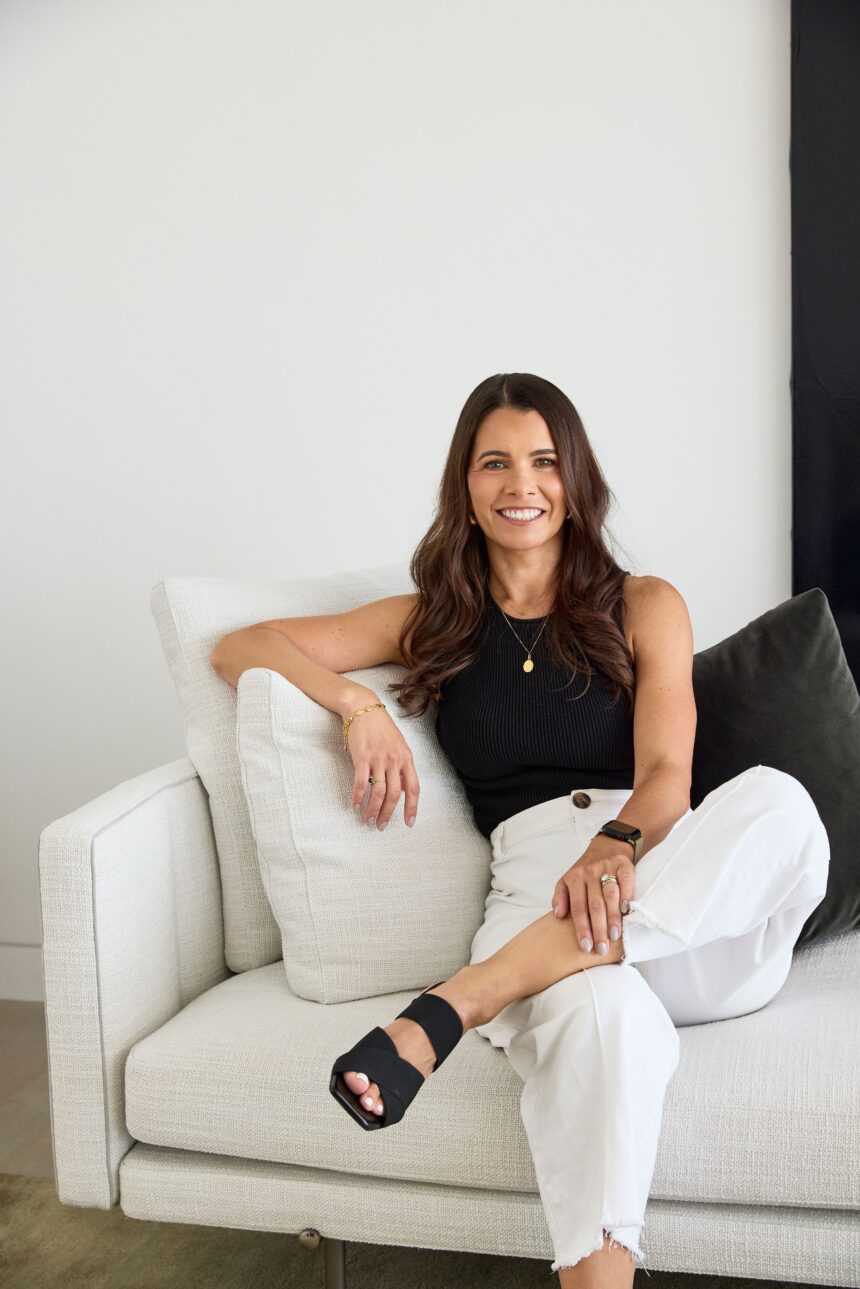
Monique Bolland on building Nuzest through sampling and word of mouth
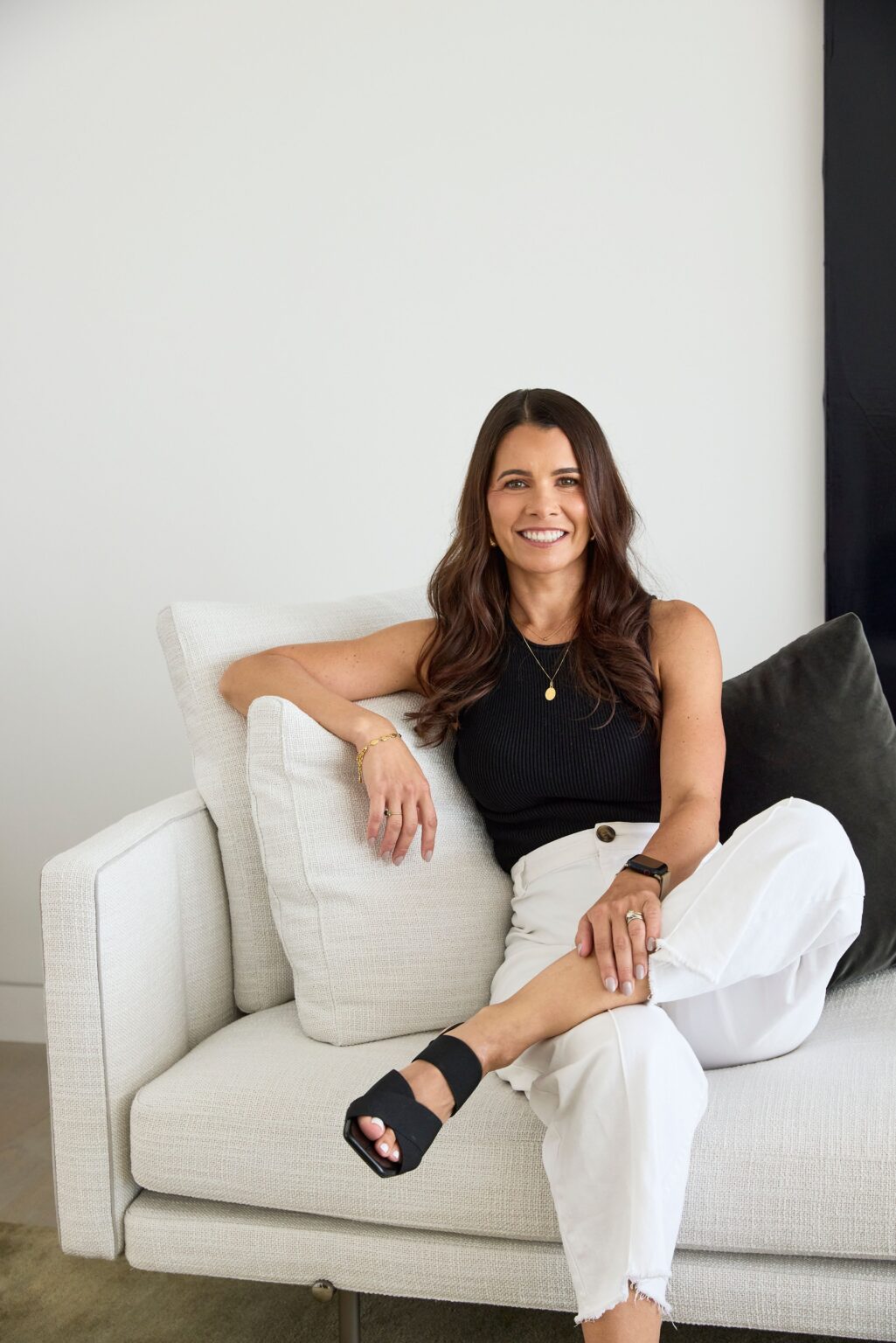
Monique Bolland is co-founder and chief brand officer at Nuzest, the supplements business she launched in 2012 after a diagnosis of multiple sclerosis pushed her to look for better nutrition support. The story is worth reading because Nuzest grew first by getting products into people’s hands one at a time, and it still leans on trust and referral over noise.
Early traction came from direct, unscalable selling – door knocking, trade shows and sampling – but the lasting lesson was simpler: get as close to customers as possible, then make it easy for them to tell someone else. She now sees word of mouth as more valuable than paid reach, because a friend’s recommendation carries more weight than a brand’s claim.
What’s the quick origin story of your business, and what makes what you do genuinely different from the other options your customers are looking at?
Nuzest started from a very personal place. I was diagnosed with multiple sclerosis in my early twenties, and the prognosis I was given back then was pretty bleak. My dad and I spent years looking for ways to support my health beyond conventional treatment (which promised to slow the disease progression, but not cure it or reverse any of the damage done).
That search led us to nutrition and lifestyle, and ultimately to nutritional supplements, but the problem was we were underwhelmed by what we found. The industry was full of hype, loopholes, questionable ingredients, and products that seemed to care more about marketing than what was actually in the tub.
So in 2012 we launched Nuzest with a simple philosophy: if we were going to make supplements, they had to be based on efficacy and transparency – the kind we would give to our own family members; and they had to make nutrition simple.
There’s a lot more noise in wellness now than when we started. I think what sets us apart is that we’ve never wanted to add to it. We just want good nutrition to be simpler, and to make products people can trust and use every day. We’re not here to make promises we can’t keep, or dazzle you with paid celebrity endorsement – we’re just here to support your health in the simplest, most honest way we can.
Where does most of your new business come from today, and where do you wish it came from?
These days we’re a global omnichannel brand, so customers find us in all kinds of ways – social media (paid and organic) and search, retail, Amazon and marketplaces, influencers and affiliates, PR, word of mouth, and increasingly through AI and organic discovery.
If I could choose where more of it came from, it would be the word of mouth referrals and recommendations.
Our best customers are the ones who’ve had a good experience with our products and told someone else. There’s a world of difference between a brand saying its product is good and a friend saying, "I use this every day and I love it."
I think brands, us included, leaned too hard on paid acquisition for a while because it worked for so long. Our biggest focus now is going back to our roots and earning that word of mouth awareness.
Where did your very first customers actually come from, and what did you do to get them that wouldn’t scale today?
We launched in New Zealand and Australia back in 2012, and we launched by walking the pavement, knocking on doors, and talking (face to face) to as many people as we could get in front of. We did every event, trade show and expo we could manage, and ran as many sampling events as stores would take. Since the COVID 19 pandemic, we’ve seen the number of in person events decline, and the cost to exhibit at them increase.
Small independent stores and declining in numbers while big chain retail takes their place. Getting products ranged in a store now isn’t as simple as walking in with samples for the owner – you need to get a meeting with head office to present an option to be ranged 6 months ahead of time.
There was no clever funnel behind it. We were a brand nobody had heard of with a product nobody had heard of, so the job was just getting enough people to try it. And it worked, because once people tried it they came back (many of our customers have been with us for nearly 15 years!).
Most of what we did wouldn’t scale today. You can’t build a global acquisition strategy around two founders explaining the product to people one at a time. But one thing from that period does scale: get as close to your customers as you possibly can.
What’s one channel or tactic you kept betting on that never paid off, and what did you do instead?
One thing I’ve learned is that awareness without a clear way to convert it can get very expensive.
I’m a brand person so I’ve always fought on the side of print media, billboards, events – big awareness campaigns. And usually these opportunities come with a big price tag.
I have had to become a lot more disciplined about looking at everything from the lense of ‘what do we need this activity to do?’. Some channels work better for credibility and awareness, while others work better when the focus is trial or acquisition.
Rather than chasing exposure for its own sake, we’re more focused now on making brand and performance work together.
If you were starting again tomorrow with no audience and no budget, what are the first three things you’d do to get customers?
First, I’d get really clear on who the product is for and why they should care. If you can’t answer that in 3 minutes, no amount of marketing spend is going to sell your product. Second, I would get the product into as many hands as possible. Find where my ideal customers hang out and get them to sample and give me feedback. Third, I would make it easy for those customers to become advocates. Referral programs, website reviews, affiliate programs.
Thank you to Monique Bolland and the team at Nuzest for telling the story of how it actually started, not how it looks in hindsight.
Have you got a first hundred worth writing down?
Featured Leaders publishes founder interviews every week. Five questions, about five minutes, no calls and no pitch.
