



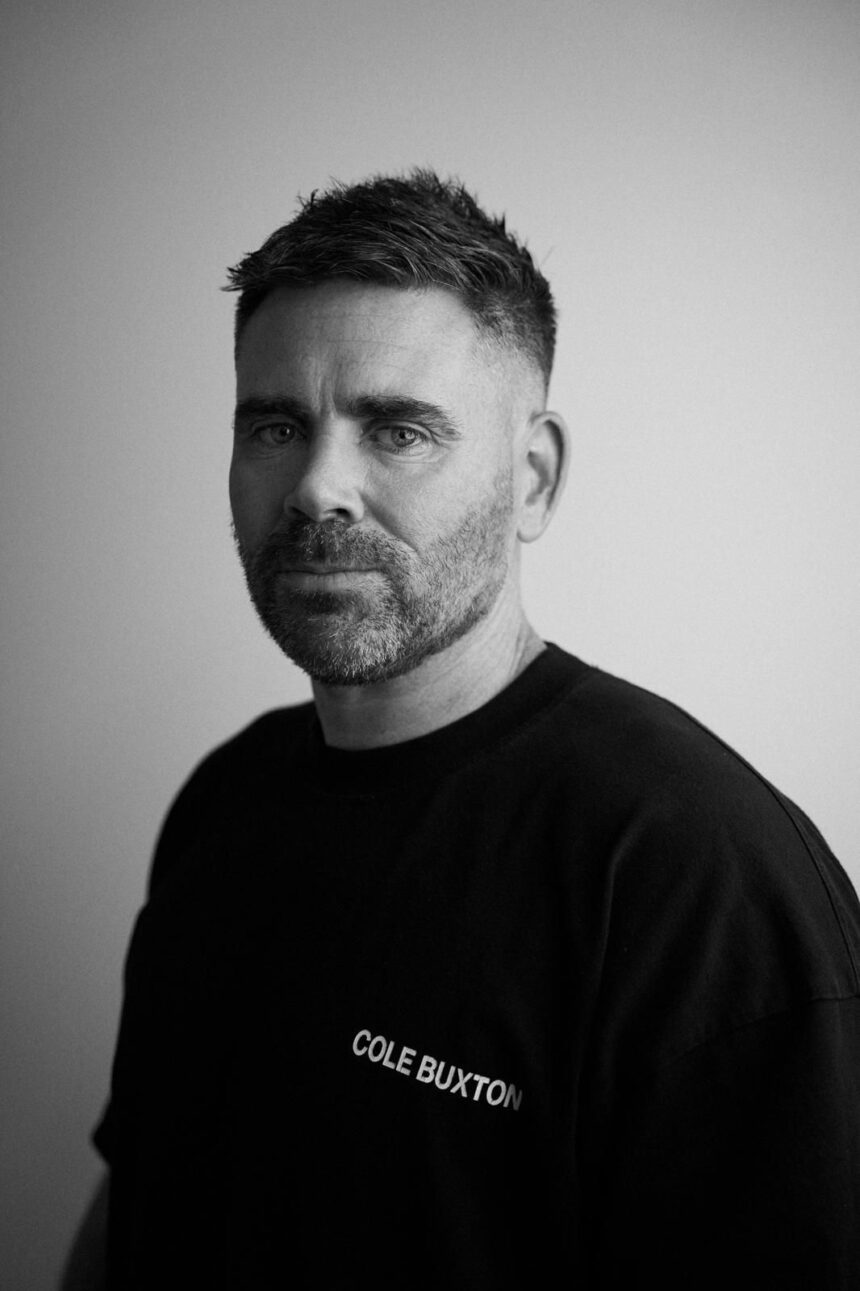
How Patrick Kidd got PATRICKS’ first 100 customers

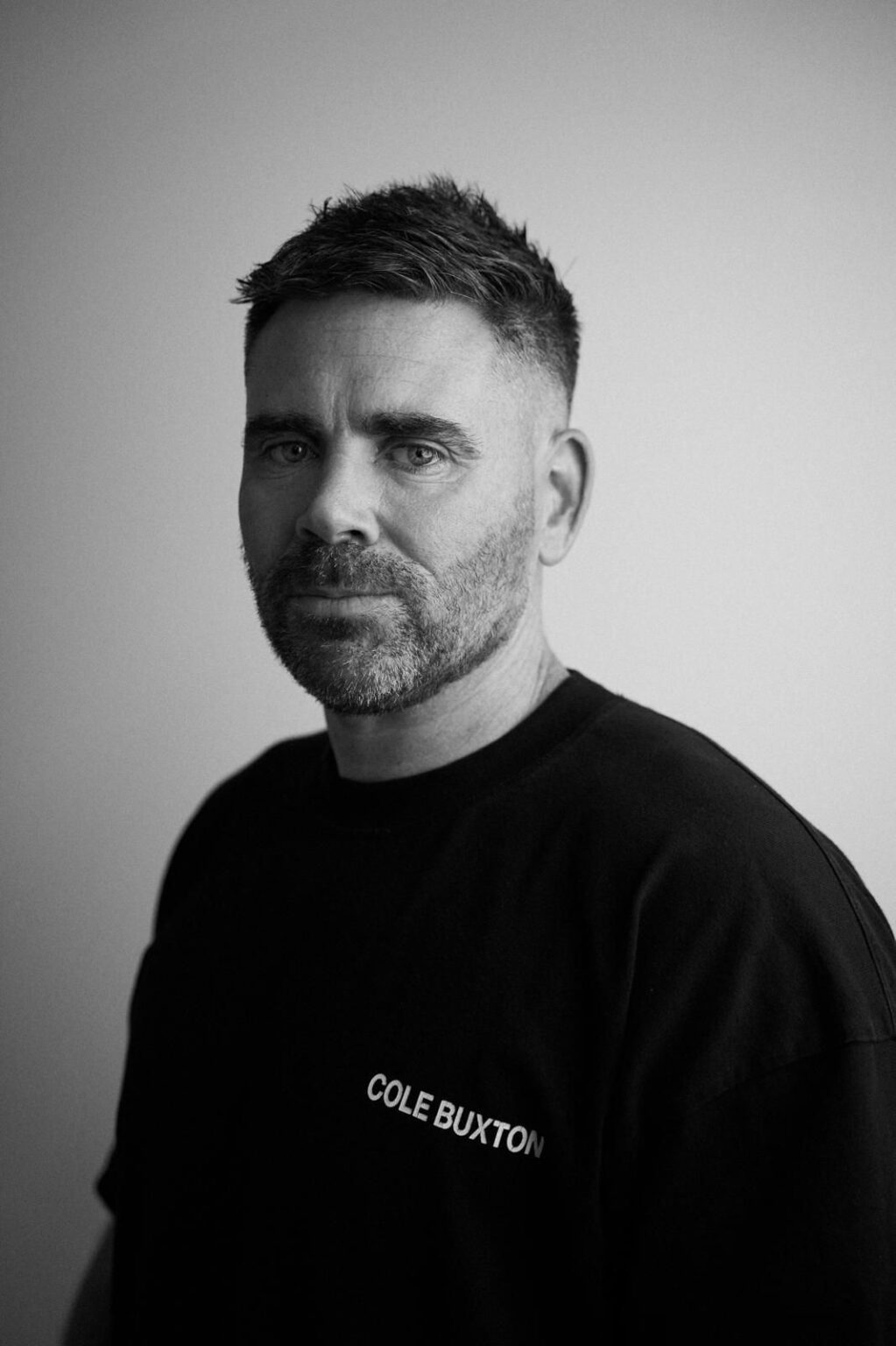
Patrick Kidd founded PATRICKS after seven years running a Bondi barbershop with his wife Aimee, where he saw first-hand that most men’s hair products fell short. The business now sells through its own site and selected retailers, but this story is worth reading for how personal service, not scale, helped it win the first customers.
The earliest sales came from people who already trusted the founder, but the bigger lesson was that personal attention helped turn those orders into repeat business and useful feedback. He also found that wholesale visibility could backfire when online retailers undercut the price, so the company doubled down on its own site and a tighter retail mix.
What’s the quick origin story of your business, and what makes what you do genuinely different from the other options your customers are looking at?
OUR FIRST 100 CUSTOMERS
On a good day now we might get to 100 customers by 10am. But getting to the first hundred took over a year. That meant there was multiple days every week where we didn’t sell anything.
It was a far cry from the barbershop my wife Aimee and I had been running for the last 7 years. Hundreds of guys through the door every week. The thing that we’d learned from running the barbershop was that the hair care products out there just didn’t cut it. They felt bad, smelled terrible and performed worse. So we set out to make them better.
5 years in development. Powerful anti-hair loss ingredients. Trips to labs, designing custom packaging, even working with a recording studio to get the sound of the latch closing just right. We finally had our styler range ready to go. Having the stylers produced and perfect felt like the end of a long road but it was actually just the beginning. Guys are creatures of habit. And getting them to switch from a product they’ve been using for 20 years is hard. On the plus side once they switch they’re usually incredibly loyal.
When the Shopify ca-ching went off the whole office celebrated. And by whole office I mean 4 of us. Myself, Aimee, Amanda and our marketing guy who for legal reasons will go by the alias Ramon. While we’ve got the best 3PLs in the world to pack the orders now, back then it all fell onto us.
We wanted to make the experience personal, so we bought a $10k engraving laser and etched the guy’s name onto the lid of the stylers. The engraving machine arrived on a pallet which wouldn’t fit in the lift that went up to our office. And when we finally got it up there all the instructions were in Mandarin.
We found the one other guy in Australia who had the machine and he was kind enough to come to Bondi from Western Sydney and help us set it up. We had to buy an old HP computer as it wasn’t compatible with our MacBooks.
Between the engraving, polishing the aluminium front of the products and packaging it up, each order probably took an hour to pack. As soon as they were ready I’d run them down to the post office. Or if they were close enough I’d deliver them myself. It was mainly to save on postage but in hindsight it probably worked great as a marketing strategy. There’s probably not too many businesses you can order from where the founder would show up to hand deliver it the same day.
The thing we really took out of those first 100 orders is that people love a personalised experience. While we don’t do the engraving anymore as it’s difficult at scale, our concierge team are still real people who reply to you. It’s a way better experience than some AI chatbot giving you the same genrtic answers. And I still reply to every Instagram DM myself.
It’s time consuming but it gives you a really good read on how the business is going – the products people are liking, what the pain points are, the products that people are wanting us to make. That sort of feedback is invaluable and it helps us constantly refine and improve the products to make them as good as they can be.
Where does most of your new business come from today, and where do you wish it came from?
Most of it comes from Meta and Google but we’re seeing more and more coming from guys who are trying the products and telling their friends about us. So much so that we decided to make it official and incorporate it into our loyalty program – giving guys an incentive for referring a friend. We’re seeing this grow as an acquisition tool from month to month and hopefully it keeps growing.
Where did your very first customers actually come from, and what did you do to get them that wouldn’t scale today?
Most of the very early customers were guys we knew from the barbershop who cared about the way their hair looked. They were easy wins but one Bondi Barbershop only has so many customers so we had to go down more traditional routes of digital advertising.
What’s one channel or tactic you kept betting on that never paid off, and what did you do instead?
I don’t know if there’s one that never paid off, but in the early days we sold a lot of our products to B2B retailers. It was great at the time for exposure and credibility being in the big name department stores but over time it actually started to work against us and we found that online retailers were basically undercutting us. We double down on our own website and now we only supply products to the best in the biz like Harrods, Nordstrom and Bergdorf Goodman.
If you were starting again tomorrow with no audience and no budget, what are the first three things you’d do to get customers?
Get your product in the places where guys are having the problem you’re solving.
For our ND1 Deodorant, I’d go to gyms / run clubs. For our Styling Range, I’d go to barbershops. For our AL1 Anti-Jet Lag capsules I’d go to airport lounges.
Thank you to Patrick Kidd and the team at PATRICKS for telling the story of how it actually started, not how it looks in hindsight.
Have you got a first hundred worth writing down?
Featured Leaders publishes founder interviews every week. Five questions, about five minutes, no calls and no pitch.