



How AI2Easy won its first customers through referrals and face-to-face trust
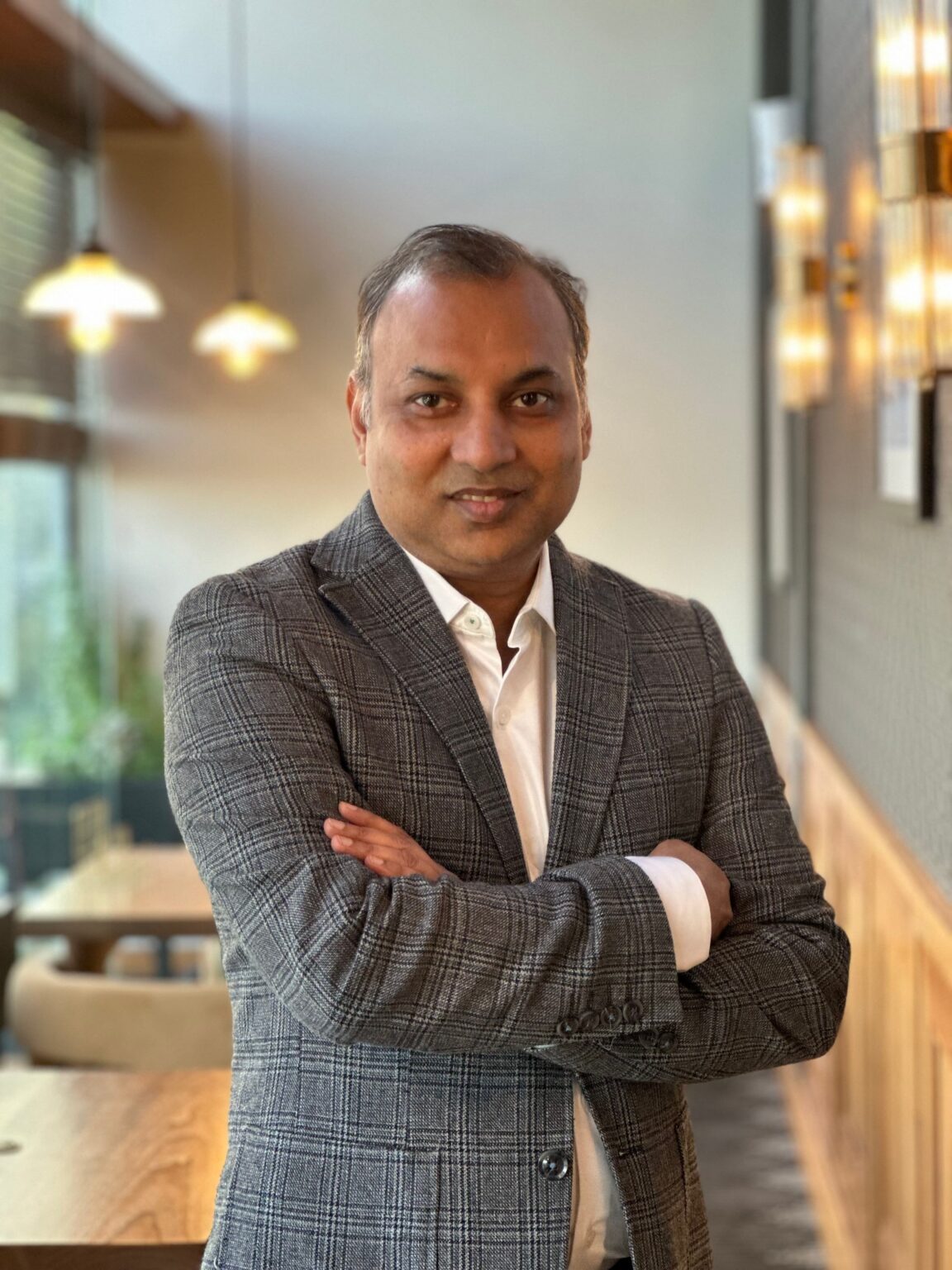
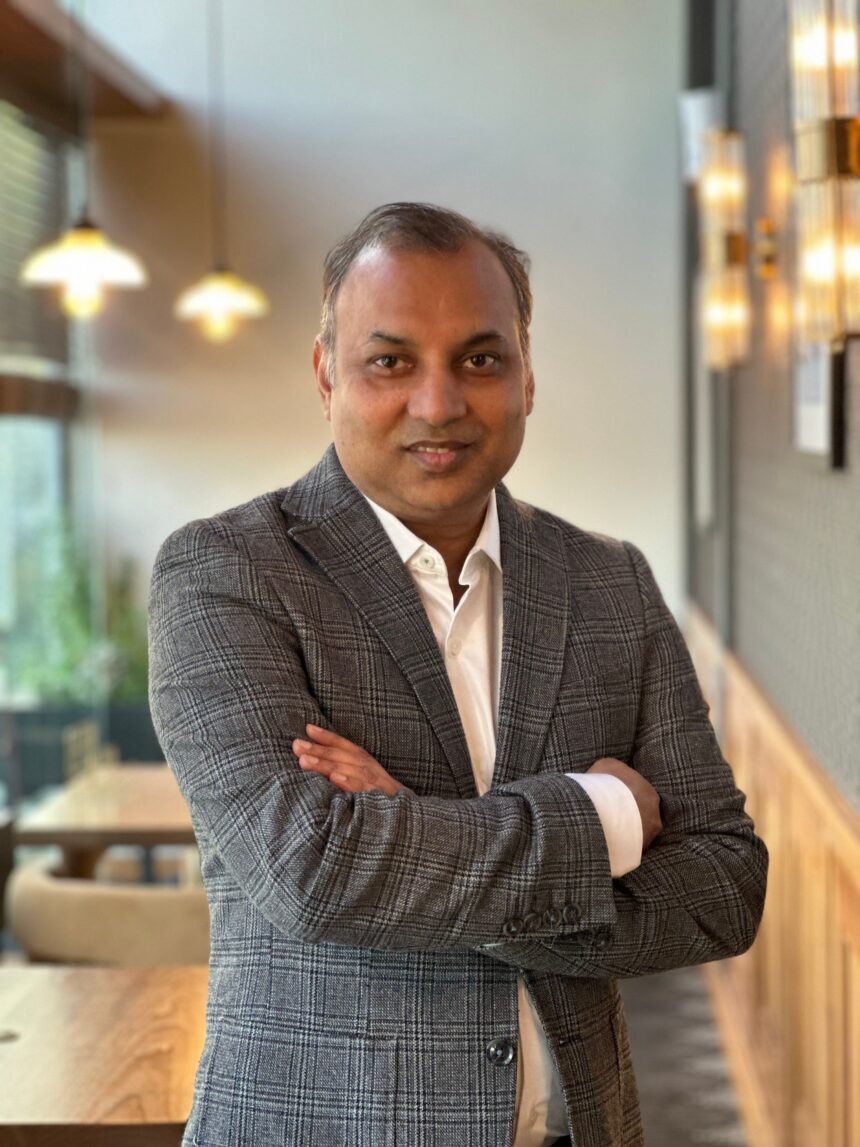
Nikhil Singh is cofounder of AI2Easy Pty Ltd, which helps businesses work out where AI and automation can actually solve a problem. The company was built on practical use cases, not AI for its own sake, and its first customers came from patient conversations, referrals and showing up in person.
For a high-trust service like AI consulting, cold outreach was weaker than direct conversations about business problems. The early work that did not scale – educating prospects, meeting them face to face and building small proof points – turned out to be the best market research.
What’s the quick origin story of your business, and what makes what you do genuinely different from the other options your customers are looking at?
AI2Easy really came from seeing a gap between all the excitement around AI and what businesses could actually do with it.
My background is very technical. I’ve spent more than 20 years building technology and working in startups, and Garima brings the business and customer side. When generative AI took off, we could see businesses were interested, but most didn’t know where to start. There were lots of tools and lots of hype, but not enough practical guidance.
So we started AI2Easy around a very simple idea: make AI easy and useful for businesses.
What makes us different is that we don’t start with the AI. We start with the business problem. We spend time understanding how the business actually operates, where people are wasting time, where information gets stuck, what they’re doing manually and then work backwards to see whether AI or automation can help.
Sometimes the answer is quite sophisticated AI. Sometimes it’s a relatively simple automation. And sometimes AI isn’t the answer at all.
I think that’s why customers trust us. We’re not trying to sell them an AI product. We’re trying to solve a business problem and create something that delivers a measurable outcome.
Where does most of your new business come from today, and where do you wish it came from?
Most of our business today still comes through our network: referrals, introductions, people we’ve met at events, existing customers and people who have seen the work we’ve done for someone else.
We’ve also done quite a bit of direct outreach, but warm introductions and referrals have definitely been the strongest channel for us.
And that’s actually quite understandable. AI projects require trust. You’re often getting quite deep into someone’s business, their processes and their data, so having somebody say, “I’ve worked with these guys, you should talk to them,” makes a huge difference.
Where we’d like to get better is inbound.
We’re doing more around that now, sharing what we’re learning, case studies, educational content, workshops, speaking, and AI in Focus podcast.
The goal is that eventually someone who has a business problem thinks, “I’ve been following these guys for six months. They understand this stuff. Let’s talk to them.”
That’s the engine we’re trying to build now.
Where did your very first customers actually come from, and what did you do to get them that wouldn’t scale today?
Our first customers came almost entirely from our existing network and referrals.
But I think the more interesting part is what we did after getting those introductions.
We spent a huge amount of time educating people. AI was still very new for most businesses, so often the first conversation wasn’t really a sales conversation at all. It was explaining what AI could realistically do, what it couldn’t do, and then understanding their business well enough to identify a practical use case.
We also went to a lot of events and joined high-value face-to-face networking groups. We turned up constantly. We met business owners, listened to what they were struggling with and helped where we could.
None of that is particularly scalable. You can’t personally have coffee with thousands of people or spend hours educating every prospect.
But I also don’t think I would change it.
Those conversations taught us what businesses actually wanted. They gave us our first customers, but more importantly they helped us understand the language customers use, the problems they’re willing to pay to solve, and where AI genuinely creates value.
In the beginning, doing things that don’t scale was probably one of the best forms of market research we could have done.
What’s one channel or tactic you kept betting on that never paid off, and what did you do instead?
One thing we probably overestimated was how well completely cold outreach would work for AI consulting.
We tried the usual things, email outreach, LinkedIn messages, trying to create volume and you can certainly generate conversations that way, but it never performed as well as we hoped.
I think the reason is that AI consulting is quite a high-trust purchase. A message saying, “We can help you with AI” isn’t particularly compelling when a business owner is receiving dozens of similar messages.
What worked much better was almost the opposite.
We stopped trying to sell AI and started having conversations about people’s businesses.
We’d ask, “What’s taking your team too long? What’s frustrating you? Where are you still using spreadsheets? What process do you wish you could fix?”
Then we could actually show them something relevant.
So we still do outbound, but we’ve learned that the relationship, the problem and the credibility have to come before the technology.
If you were starting again tomorrow with no audience and no budget, what are the first three things you’d do to get customers?
I’d do three things.
First, I’d talk to customers before building anything.
I’d find 20 people in the type of businesses I wanted to work with and ask them about their problems. What’s taking too long? What’s costing money? What does everyone hate doing? I wouldn’t even mention AI initially. I’d just try to understand the pain.
Second, I’d build something small that demonstrates the solution.
Not a huge platform and not a six-month product build. Just enough to be able to say, “You told me this takes your team four hours. Here’s what it could look like if it took 15 minutes.”
That changes the conversation completely.
And third, I’d get out of the house.
I’d go to industry events, business groups, breakfasts, lunches, anywhere my potential customers actually spend time. I’d turn up consistently, talk to people, help them without immediately trying to sell them something, and become known as the person who understands this problem.
That’s basically how we built AI2Easy the first time.
If I had no audience and no advertising budget tomorrow, I wouldn’t spend the first three months building a website or running ads.
I’d spend it talking to customers, demonstrating value and building trust.
Thank you to Nikhil Singh and the team at AI2Easy Pty Ltd for telling the story of how it actually started, not how it looks in hindsight.
Have you got a first hundred worth writing down?
Featured Leaders publishes founder interviews every week. Five questions, about five minutes, no calls and no pitch.
